Internal Hemorrhoids: What You Should Know
Have you noticed blood on your toilet paper? Do you feel uncomfortable pressure or itching that just won’t go away? You’re not alone. Many people deal with these symptoms but feel too embarrassed to talk about them. The good news is that internal hemorrhoids are common and treatable.
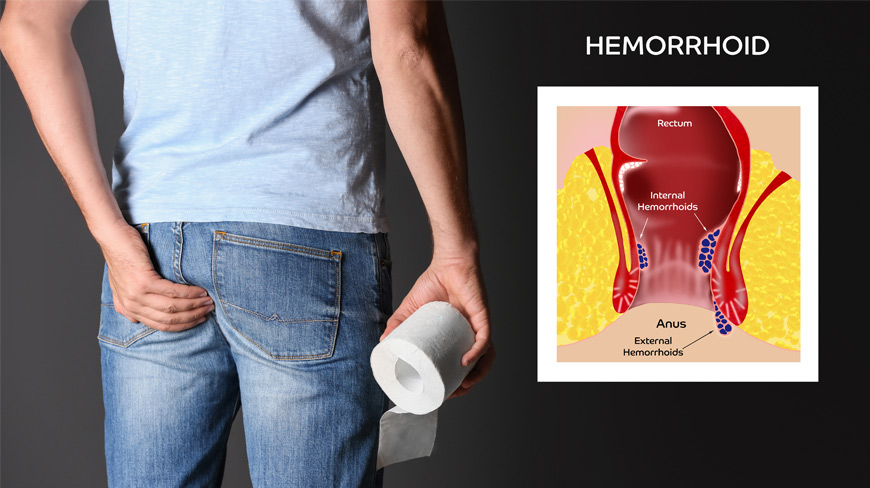
Internal hemorrhoids form inside your body, in the lower part of your rectum. This is the last section of your intestines before waste leaves your body.
You may not be able to see internal hemorrhoids, but they can still cause problems that affect your daily life.
What Are Internal Hemorrhoids?
Internal hemorrhoids usually develop when the blood vessels inside the rectum become enlarged or swollen. They’re different from external hemorrhoids. You can’t see them from the outside. And they usually don’t hurt much because this area has fewer nerves that feel pain.
Why Do Internal Hemorrhoids Develop?
Most cases are linked to ongoing pressure in the rectal area. This pressure can come from:
- Chronic constipation
- Straining during bowel movements
- Sitting on the toilet for long periods
- Coughing from chronic obstructive pulmonary disease (COPD)
- Pregnancy
- Enlarged prostate or urethral stricture resulting in straining
- Long-standing bowel habit changes
What Are Internal Hemorrhoid Symptoms?
Symptoms can be subtle and may come and go. You may notice:
- Itching, burning, pain
- Rectal bleeding, often bright red blood on toilet paper or in the toilet bowl
- A sensation of fullness or pressure in the rectum
- Feeling like you still need to have a bowel movement after going
- A sense of incomplete emptying
- Mucus discharge from the rectum
In some cases, internal hemorrhoids can push out through the anal opening. This is called prolapse. When this happens, you may feel a lump of tissue sticking out. This often happens during or after bowel movements.
These symptoms can happen with other bowel problems, too. That’s why you should never ignore them.
How Are Internal Hemorrhoids Diagnosed?
Your doctor will ask about your bowel habits, bleeding, pain, and any changes in your stool. They will do an exam to confirm you have hemorrhoids. They will also check to make sure the bleeding isn’t from something else. This could include polyps, inflammatory bowel disease, or colorectal cancer. The exam may include:
- A digital rectal exam
- An anoscopy, which allows the doctor to look just inside the anal canal
- A sigmoidoscopy or colonoscopy. Your doctor may use these if you have bleeding or if you’re due for cancer screening.
How Are Internal Hemorrhoids Treated?
Many internal hemorrhoids get better with simple home care. These steps help reduce pressure and let the swollen tissue heal:
- Increasing fiber intake to soften stools
- Drinking plenty of fluids
- Avoiding straining
- Not delaying bowel movements
- Limiting time spent sitting on the toilet
If home care doesn’t help, your doctor may suggest office-based procedures. They’re usually quick and done without general anesthesia. They include:
Rubber band ligation
Rubber band ligation is one of the most commonly used treatments. During the procedure, a small rubber band is placed around the base of the hemorrhoid inside the rectum. This band gently cuts off blood flow to the swollen tissue. Without a blood supply, the hemorrhoid gradually shrinks, dries up, and falls off on its own, usually within a few days. This treatment can be most effective for internal hemorrhoids that bleed or prolapse but are not severely advanced.
Infrared coagulation and sclerotherapy
Infrared coagulation and sclerotherapy are two treatments done in the doctor’s office. They shrink internal hemorrhoids instead of removing them.
Infrared coagulation uses a focused burst of heat applied to the hemorrhoid tissue. This heat causes small blood vessels feeding the hemorrhoid to clot and close off. Over time, the treated tissue usually shrinks and symptoms improve.
Sclerotherapy involves injecting a chemical solution directly into the hemorrhoid. The solution irritates the blood vessel lining. This usually leads to its collapse and scarring. As the vessel closes, blood flow decreases, and the hemorrhoid becomes smaller.
Surgical treatment
Surgery is usually only for severe cases. Your doctor may suggest it if other treatments don’t work. It may also be an option if your hemorrhoids keep pushing out or bleeding a lot.
Get Relief from Internal Hemorrhoids
You don’t have to live with discomfort, bleeding, or worry. Internal hemorrhoids are treatable, and the sooner you get help, the easier treatment can be. Many patients feel relief after simple office procedures that take just minutes.
If you’re experiencing symptoms of internal hemorrhoids in San Antonio, don’t wait. Our team is here to help you feel better and get back to your normal life. Schedule an appointment today to discuss your symptoms and find the right treatment option for you. Call us or book online now to take the first step toward relief.
Request Appointment
Related: