She Thought Pregnancy Pain Was Normal. Doctors Found Stage 4 Cancer Instead
When Jenna Scott felt intense abdominal pain during her pregnancy, her doctors assured her it was just part of carrying a baby. “It came with the territory,” they said. But after delivering a healthy son, the pain didn’t go away.
It got worse.
More than a year later, Scott woke up from a colonoscopy to find her husband, her doctor, and four nurses surrounding her bed. The news was immediate and devastating: stage 4 colon cancer. She was just 31 years old.
“The GI doctor said he didn’t need to send anything off to pathology to know that I had cancer,” Scott told CNN. The cancer had already spread from her colon to her liver.
For someone who had been an athlete her entire life and never even ate red meat growing up, the diagnosis felt impossible. “That word ‘cancer’ didn’t live in my world. Cancer means death,” she said.
The Alarming Trend No One Saw Coming
Scott’s story isn’t an isolated tragedy. It’s part of a disturbing national trend. Colorectal cancer has quietly become the number one cancer killer of people under 50 in the United States as of 2023.
Deaths from breast cancer, lung cancer, leukemia, and brain cancer have all declined in young adults. But colorectal cancer deaths have risen 1.1% annually since 2005. The disease has climbed from the fifth most common cause of cancer deaths among people under 50 in the early 1990s to the top spot today.
“We weren’t expecting colorectal cancer to rise to this level so quickly,” said Dr. Ahmedin Jemal of the American Cancer Society, who led the study. “This can no longer be called an old person’s disease.”
Why Are Healthy Young People Getting This Cancer?
Perhaps the most disturbing aspect? Doctors don’t know why this is happening.
Many patients, like Scott, are fit, healthy, and have no obvious risk factors. Some ran marathons just months before their stage 4 diagnosis. Young athletes, working parents, and people in their 30s and 40s are getting this disease. They never thought it could happen to them.
Every 25 minutes, another person under 50 is diagnosed with colorectal cancer in the United States. That’s nearly 60 people every single day.
The Dangerous Dismissal of Symptoms
Part of the problem is that young people’s symptoms are often ignored by patients and their doctors.
These delays mean that more than 60% of colorectal cancer patients under 50 are diagnosed after the disease has already reached stage 3 or 4. At that point, it’s much harder to treat.
Common symptoms include:
- Blood in the stool or rectal bleeding
- Changes in bowel habits lasting more than a few days
- Persistent abdominal pain or cramping
- Unexplained fatigue or weakness
- Unintended weight loss
- Feeling like you need to have a bowel movement even after going
Take Action to Prevent Colon Cancer Now
After years of chemotherapy, targeted therapy, and surgery, Scott is now in stable condition. But she’ll continue treatment for the rest of her life. Every time she’s stopped, the cancer has returned and spread to other organs. Her goal now? To become a grandmother one day.
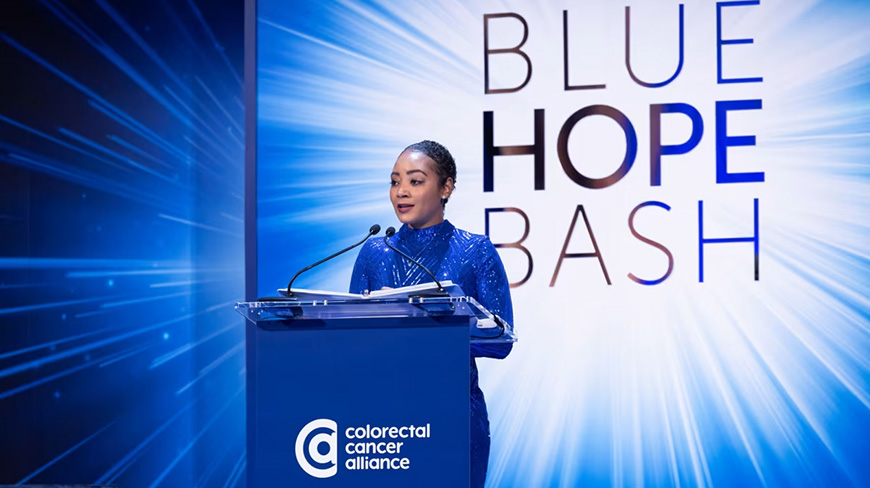
As an advocate for the Colorectal Cancer Alliance, she continues to ask why healthy adults and children keep dying from this disease.
Doctors say people should start getting screened for colon cancer at age 45. But less than half of people in their 40s actually do it. The good news? The test (called a colonoscopy) doesn’t just find cancer early. It can actually stop cancer from happening by removing small growths before they become dangerous.
If you’re experiencing any persistent digestive symptoms, don’t wait. Don’t let anyone tell you you’re too young for colon cancer.
Schedule a colonoscopy today. It could save your life.