Acid Reflux Diet: 8 Foods to Avoid & Eat
(Leer en español)
Heartburn after a meal can quickly ruin your day. If you have acid reflux, the foods you eat may play a big role in how often your symptoms happen. Learning which acid reflux foods to avoid can help reduce heartburn and make meals more comfortable.
While everyone’s triggers are different, some foods are more likely to cause acid reflux than others. Knowing which foods to limit and which foods may help can make it easier to manage your symptoms.
If you have heartburn more than twice a week or your symptoms aren’t getting better, it may be a sign of gastroesophageal reflux disease (GERD). At Gastroenterology Consultants of San Antonio, we help patients find the cause of acid reflux and create treatment plans that provide lasting relief.
Why Do Certain Foods Trigger Acid Reflux?
Certain foods can make acid reflux more likely by relaxing the lower esophageal sphincter (LES), the muscle that keeps stomach contents from flowing back into the esophagus. Other foods slow digestion, increase stomach pressure, or irritate the lining of the esophagus. As a result, stomach acid can flow back into the esophagus and cause heartburn.
Not everyone reacts to the same foods. Keeping a food diary can help you identify the foods that trigger your symptoms.
What Are the Most Common Acid Reflux Foods to Avoid?
Some foods are more likely than others to trigger acid reflux. Avoiding these foods or eating them less often may help reduce heartburn and other symptoms.
Acid reflux foods to avoid include:
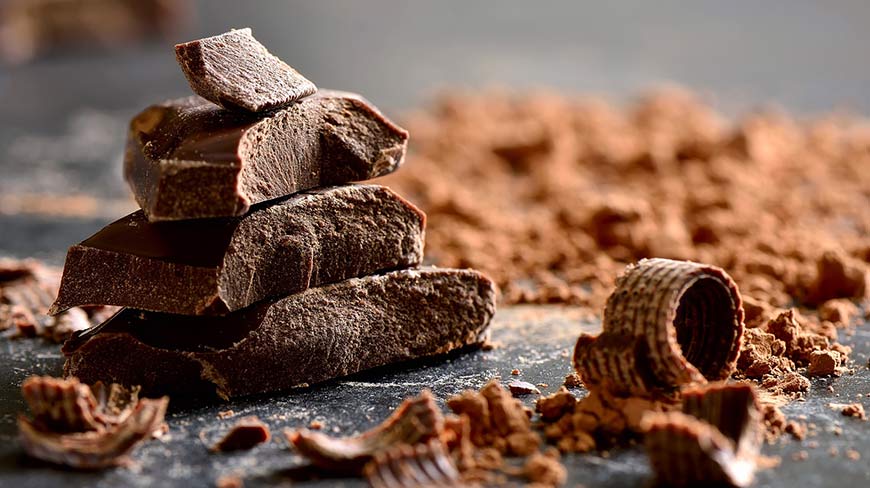
- Chocolate — Everyone’s favorite treat comes with a dark side; chocolate contains caffeine, cocoa, and plant chemicals that can all trigger heartburn. Also, a chemical in cocoa relaxes the LES, making it easier for stomach contents to leak into your esophagus.
- Peppermint — Known for soothing an irritable bowel, peppermint has the opposite effect on acid reflux. Peppermint relaxes the muscles used for digestion, and a relaxed LES is a leaky LES.
- Fatty foods — If you feel like fatty foods make you sluggish, you’re right. They relax your LES and are slower to digest than other foods. When food sits in your stomach longer, your body responds by making more acid. Fried foods like onion rings are obvious culprits, but meats like prime rib or bacon, and whole milk dairy products also cause symptoms.
- Spicy foods — Spicy foods make acid reflux worse in two ways. First, the capsaicin in many spicy foods can slow digestion. But before it even gets that far, it can irritate an already irritated esophagus on its way down.
- Acidic foods and drinks — Acidic foods are common triggers of acid reflux. Foods like citrus fruits and juices, tomatoes and tomato products, pineapple, and vinaigrette salad dressings all have a high acid content, contributing to an already acidic environment.
- Garlic — Garlic, especially raw, is known to cause heartburn and upset stomach in healthy people. That makes it even more likely to cause issues for those who suffer from acid reflux.
- Onions — Raw onions don’t just make you cry; they stimulate acid production. That extra acid puts you at risk for heartburn.
- Drinks containing alcohol, caffeine, or carbonation — Alcohol and caffeine both relax the LES, allowing acid to leak up your esophagus. The bubbles in carbonation expand your stomach, pushing stomach contents up against the LES. That makes soda, coffee and tea, and alcoholic beverages all triggers. Be especially careful with mixed drinks, which could combine triggers.
8 Foods That Help Acid Reflux
No single food can cure acid reflux, but choosing foods that are lower in fat and less acidic may help reduce symptoms. Many people find relief by replacing common trigger foods with these options.
Here is a list of foods to eat with acid reflux:
- Vegetables and non-citrus fruits — Aside from the “bad” foods listed above, nearly all fruits and vegetables help reduce stomach acid. They’re also low fat, low sugar, and provide fiber and important nutrients. Bananas, melons, broccoli, asparagus, and green beans are naturally low in acid and are less likely to trigger reflux symptoms.
- Whole grains — High-fiber whole grains like brown rice, oatmeal, and whole-grain bread may help reduce acid reflux symptoms. They’re a good source of fiber, which supports healthy digestion and may help keep you feeling full longer.
- Lean protein — Low-fat, lean sources of protein also reduce symptoms of acid reflux. Good choices are chicken, seafood, tofu, and egg whites. The best ways to prepare them are baked, broiled, poached, or grilled.
- Beans, peas, and lentils — Along with being good sources of fiber, beans, peas, and lentils also provide protein, vitamins and minerals.
- Nuts and seeds — Many nuts and seeds provide fiber and nutrients and may help absorb stomach acid. Almonds, peanuts, chia, pomegranate, and flaxseeds are all healthy choices.
- Yogurt — Not only is yogurt soothing to an irritated esophagus, but it provides probiotics that support your digestive tract. It’s also good source of protein.
- Healthy fats — Fat is a necessary nutrient but eating too many fatty foods can trigger symptoms. Replacing unhealthy fats with unsaturated fats can help. Avocados, olive oil, walnuts, and soy products are good choices for healthy fats.
- Ginger — Ginger has anti-inflammatory properties and has been used throughout history for gastrointestinal problems. Ginger can be added to smoothies, soups, stir fry, or other dishes, or steeped as a tea.
Other Ways to Reduce Acid Reflux
Diet is only one part of managing acid reflux. These lifestyle changes may also help reduce symptoms:
- Eat smaller meals instead of large ones.
- Avoid lying down for at least two to three hours after eating.
- Limit late-night snacks.
- Maintain a healthy weight if recommended by your doctor.
- Stop smoking if you smoke.
- Raise the head of your bed if reflux happens at night.
If your symptoms continue even after making these changes, talk to your doctor about additional treatment options.
Managing Acid Reflux Starts With Knowing Which Foods to Avoid
If you have heartburn more than twice a week, trouble swallowing, ongoing chest discomfort, or symptoms that don’t improve with diet and lifestyle changes, it’s time to see a specialist. Frequent acid reflux may be a sign of gastroesophageal reflux disease (GERD), which can lead to complications if left untreated.
The team at Gastroenterology Consultants of San Antonio helps patients identify the cause of acid reflux and create personalized treatment plans. If acid reflux is affecting your daily life, schedule an appointment to find lasting relief.
Request Appointment<
Related: