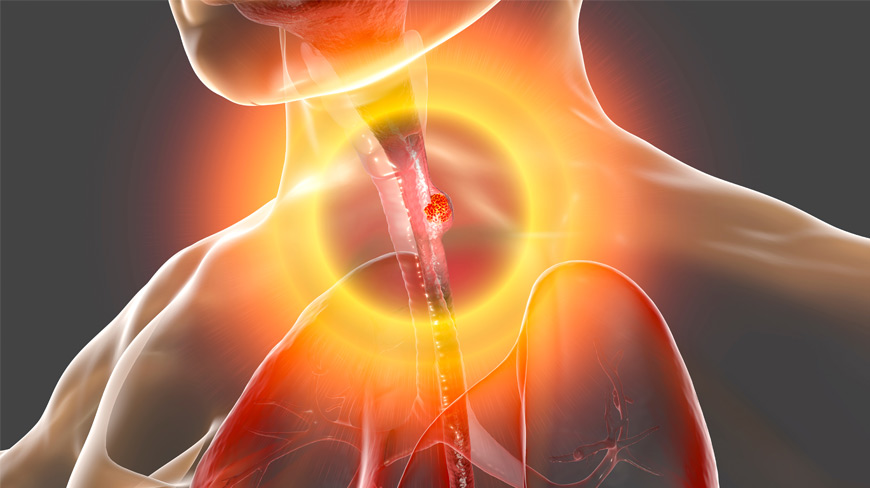
Esophageal Cancer Causes: What You Should Know
Cancers of the stomach or esophagus are not among the most common types of cancers in the United States. But the rates of people diagnosed continue to climb. Rising cancer rates may be attributed to an aging global population and behavioral risk factors like smoking and obesity.
Understanding esophageal cancer causes and risk factors can help you spot warning signs and take steps to protect your digestive health.
What are Some Common Esophageal Cancer Causes and Risk Factors?
The exact causes of stomach and esophageal cancer remain unknown. In many cases, cancer develops when cells lining the esophagus or stomach become damaged over time and begin to grow abnormally. Not everyone with risk factors will develop cancer. But certain conditions and behaviors can increase your risk.
Age
Approximately 85 percent of all esophageal and stomach cancer cases are found in people over the age of 55. As we age, cells are exposed to irritants and inflammation for longer periods, increasing the risk of abnormal cell changes. Plus, the body may not fix damaged cells as quickly over time, which can also increase the risk of cancer.
Gender
Men are three to four times more likely than women to develop esophageal or stomach cancer. Researchers believe this may be partially related to differences in hormone levels. Men also usually have higher exposure to certain risk factors like smoking, heavy alcohol use, and long-term acid reflux.
Diet
A diet high in processed meats and low in fruits and vegetables has been linked to a higher risk of esophageal cancer. Processed foods may contain preservatives that irritate the lining of the digestive tract.
To decrease your risk, focus on whole foods like:
- Fresh fruits and vegetables
- Whole grains
- Beans
- Nuts
- Lean meats
- Fish
- Low-fat dairy products
Cutting back on processed meats, smoked foods, and heavily preserved items can reduce exposure to harmful compounds. These compounds may damage the digestive system lining over time.
Tobacco and Alcohol Use
Smoking and heavy alcohol use are among the most well-established esophageal cancer causes. Both substances can damage the cells lining the esophagus. This can cause cells to change and grow abnormally, increasing the risk of cancer.
GERD
People with chronic acid reflux (or GERD) have a slightly higher risk of developing cancer of the esophagus or stomach. Long-term exposure to stomach acid can damage the esophageal lining. This may lead to a condition called Barrett’s esophagus, which raises cancer risk.
Obesity
Being overweight or obese increases pressure on the stomach, especially around the abdomen. This added pressure can push stomach acid upward into the esophagus and weaken the muscle that normally keeps acid from flowing back. Over time, frequent acid reflux can damage the lining of the esophagus. Because GERD is a known risk factor, obesity indirectly increases the risk of esophageal cancer as well.
Weight loss can begin with small changes. Try to choose whole foods more often, watch portion sizes, and replace sugary drinks with water. You should also add regular movement, such as walking or swimming. If you have GERD or other health conditions, talk with your healthcare provider about a safe weight-loss plan that fits your needs.
Concerned About Esophageal Cancer Causes?
If you have chronic acid reflux, GERD, trouble swallowing, or other digestive problems, getting checked early is key. Diagnostic tools like endoscopy can spot inflammation, precancerous changes, or other issues early on.
If you’re concerned about esophageal cancer causes or your personal risk, consider endoscopy treatment in San Antonio. The board-certified gastroenterologists at Gastroenterology Consultants of San Antonio provide compassionate, expert care tailored to your needs.
To schedule an appointment or learn more about how we help patients throughout the San Antonio community, call 210-614-1234 today. Or request an appointment using our online form.
Request Appointment
Related: