The Benefits of Probiotics for Gut Health
Our digestive tract contains trillions of microorganisms—bacteria, yeast, fungi, and even viruses. These microorganisms are essential to maintaining proper digestion and overall health. Ideally, your gut has more “good” than “bad” bacteria, though that can change for many reasons. Probiotics can help restore order when things go wrong and promote a healthier gut microbiome.
What are Probiotics?
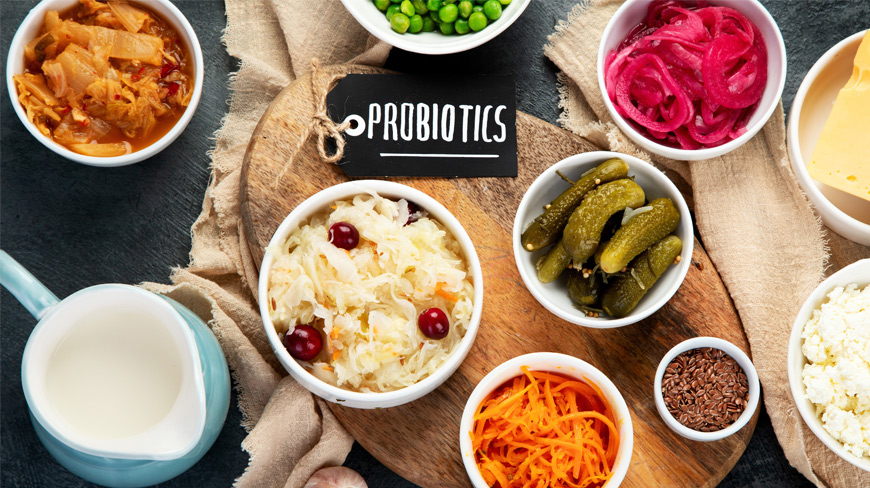
Probiotics are live microorganisms that help maintain a healthy gut microbiome and promote your overall well-being. Probiotics are commonly used when there has been a disturbance due to illness, antibiotics, or a poor diet. Adding a probiotic into your daily regimen can significantly improve your gut health and support a healthy immune system. Probiotics are found in naturally fermented foods such as buttermilk, kefir, kimchi, kombucha, pickles, fermented fruits and vegetables, sauerkraut, and yogurt. They can also be taken as a supplement in pill or liquid form, though it’s typically better to get them from foods unless prescribed by a doctor.
Benefits of Probiotics
Balance Gut Bacteria: Probiotics are loaded with “good” bacteria that restore the natural balance of bacteria in the gut. An imbalance of gut bacteria can happen due to illness, antibiotics, or poor diet and can result in various problems, including digestive issues and even mental health challenges like anxiety. Adding a probiotic into your daily routine can help balance gut bacteria and improve overall health.
Benefit Digestive Health: Probiotics can help your body digest and absorb nutrients more efficiently, which can help normalize bowel function and reduce gas and bloating. Probiotics can also help break down lactose in the GI system and improve fiber digestion.
Treat and Prevent Diarrhea: One of the most common reasons people reach for a probiotic is to help treat and even prevent diarrhea. Although diarrhea can be a common occurrence, diarrhea associated with antibiotic use can indicate that the natural gut bacteria has been disrupted. Taking a probiotic alongside an antibiotic has been shown to reduce the risk of antibiotic-associated diarrhea and protect your gut health.
Boost the Immune System: Taking a daily probiotic can also help boost your immune system and prevent you from getting sick. Probiotics can improve the integrity of the gut barrier, reducing the risk of harmful substances entering the bloodstream and causing illness. Some studies have also shown that people who take probiotics regularly overcome cold symptoms sooner than those who don’t.
Improve Cardiac Health: Believe it or not, probiotics can even help keep your heart healthy by lowering the amount of “bad” cholesterol or LDL in your bloodstream. Some studies have suggested that taking a probiotic can also help to reduce your blood pressure.
Reduce Eczema: The gut microbiome regulates the immune system. Therefore, it has been suggested that normalizing gut bacteria may also improve the health of the skin. Some studies have indicated that people who suffer from eczema have a reduced amount of healthy gut bacteria, which could contribute to their eczema.
Improve Mental Health: Probiotics can even help improve your mental health through the gut-brain axis, a signaling pathway between the digestive and central nervous systems. This means that the health of your gut can directly impact neurotransmitters in the brain that play a role in depression and brain inflammation. Although probiotics should never take the place of antidepressant medications if they are needed, they can be used alongside antidepressant medications to improve your overall mood and well-being.
Take Care of Your Digestive Health
Overall, studies have shown that probiotics can play an essential role in gut health and overall well-being. There is increasing evidence of the link between a healthy gut microbiome and a healthy brain and body. Consuming foods that support digestive health, like fermented foods (probiotics) and fiber-rich foods (prebiotics), can help keep you healthy and happy.
If you want to learn more about digestive health, don’t delay – schedule an appointment today!
Request Appointment
Related: