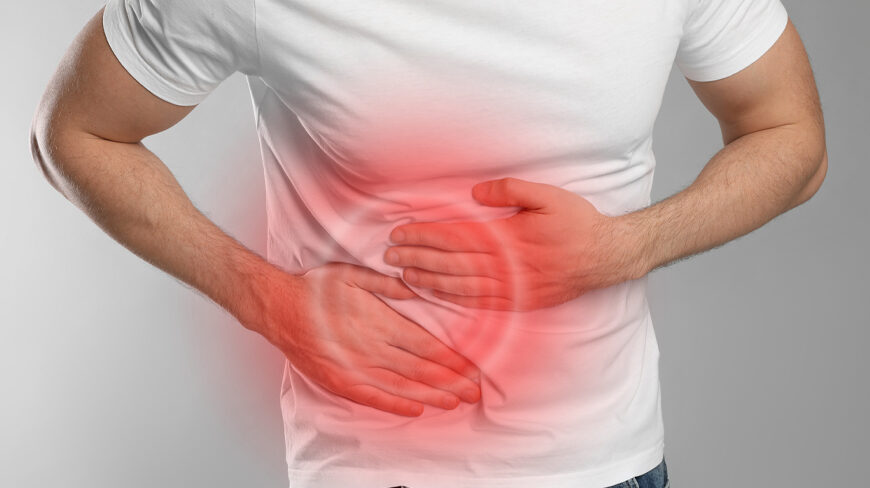
Lower Right Abdominal Pain: What Does It Mean?
Pain in your abdomen can stop you in your tracks. You may feel a sharp stab, a deep ache, or a cramping pain that will not go away. It can make it hard to sit, walk, eat, or focus on anything else. Many people worry right away about serious problems like appendicitis or other urgent conditions.
Sometimes this pain is caused by something minor, such as gas or constipation. Other times, it can be a sign that your body needs medical attention. Understanding what may be causing lower right abdominal pain and knowing when to see a doctor can help ease anxiety and lead to faster relief.
Understanding the Lower Right Abdomen
The abdomen is the area between your chest and pelvis. Doctors divide it into four sections, called quadrants. These include the upper right, upper left, lower right, and lower left.
The lower right part of the abdomen contains:
- The appendix
- Part of the large intestine
- The right ovary and fallopian tube in women
- Nearby muscles, nerves, and tissue
Pain in this area often comes from one of these structures, but digestion, infection, or inflammation can also play a role.
Common Causes of Lower Right Abdominal Pain
Lower right abdominal pain can happen for many reasons. Each cause may feel different and come with its own symptoms.
Appendicitis
Appendicitis occurs when the appendix becomes swollen and inflamed. Pain often starts near the belly button and moves to the lower right side. It usually gets worse over time and may come with nausea, fever, or loss of appetite. Appendicitis needs immediate medical care.
Constipation
Constipation happens when stool builds up in the intestines. It can cause pressure, bloating, and discomfort in the lower abdomen. Bowel movements may be hard or less frequent.
Gas
Gas is normal, but trapped gas can cause sharp or crampy pain. The pain may move around and improve after passing gas or having a bowel movement.
Gastroenteritis
Often called the stomach flu, gastroenteritis is caused by viruses or bacteria. It can cause abdominal pain, diarrhea, nausea, and vomiting.
Irritable Bowel Syndrome (IBS)
IBS is a common digestive condition. It often causes cramping, bloating, and changes in bowel habits. Pain may come and go and may be linked to stress or certain foods.
Diverticulitis
Diverticulitis occurs when small pouches in the colon become inflamed. It usually causes left-sided pain, but pain on the right side can also happen. Fever and bowel changes are common symptoms.
Hernia
A hernia happens when tissue pushes through a weak area in the abdominal wall. This can cause pain or a bulge in the abdomen or groin, especially with movement.
Inflammatory Bowel Disease (IBD)
Conditions like Crohn’s disease and ulcerative colitis cause long-term inflammation in the digestive tract. Symptoms may include abdominal pain, diarrhea, fatigue, and weight loss.
Colon Cancer
Colon cancer can sometimes cause lower right abdominal pain. Other signs may include changes in bowel habits, blood in the stool, or unexplained weight loss.
Kidney Stones
Kidney stones are hard mineral deposits that can cause severe pain. Pain may begin in the back and move to the lower abdomen or groin and often comes in waves.
How Lower Right Abdominal Pain Is Diagnosed
To find the cause of lower right abdominal pain, a doctor may recommend:
- Blood tests
- Urine tests
- Ultrasound
- CT scan
- MRI
- Colonoscopy
The tests used depend on your symptoms and medical history.
Treatment for Lower Right Abdominal Pain
Treatment depends on the cause of the pain. Some conditions improve with diet changes, fluids, or medication. Others may require procedures or surgery.
Because many conditions cause similar symptoms, self-diagnosis can be risky. Ongoing or worsening pain should always be evaluated by a healthcare provider.
Lower Right Abdominal Pain: When to See a Doctor
Lower right abdominal pain can range from mild to serious. Paying attention to how long the pain lasts, how severe it is, and whether other symptoms are present can help guide your next steps.
If you are experiencing ongoing, severe, or worsening lower right abdominal pain in San Antonio, it’s important to schedule an appointment. A healthcare provider can help determine the cause and recommend the right treatment for your situation.
Request Appointment
Related: